Trump Meets Crypto Leaders This Week. Here’s Why
Trump’s crypto meeting comes as the CLARITY Act stalls in the Senate. Here’s why regulatory clarity matters more than political support for crypto.

On August 19, SEC Chair Paul Atkins and CFTC Chair Michael Selig are expected to attend President Donald Trump's meeting with CEOs from the cryptocurrency and prediction markets at the White House. It's difficult to ignore the timing. Legislators are on leave in August, the Senate's CLARITY Act has stalled, and American regulators are under growing pressure to forward their own crypto regulations.
In light of this, I believe the meeting is important for a purpose greater than the increasing political clout of cryptocurrencies, i.e., Trump must now demonstrate that political backing can lead to regulatory certainty.
Why Trump Is Meeting Crypto Leaders?
The fact that Trump is meeting with crypto entrepreneurs is not the most intriguing aspect of this meeting. Who else is anticipated to be present in the room?
Alongside the leaders of the SEC and CFTC, executives from firms such as Coinbase and Ripple are expected. As a result, industry leaders and the two organisations at the heart of the U.S. crypto-regulation controversy are brought into the same dialogue.
That matters because whether Washington recognises the significance of cryptocurrency is no longer the main issue facing the U.S. cryptocurrency company. Washington obviously does. The issue is that legislation has lagged behind political fervour.
Despite the fact that the CLARITY Act is intended to establish the government market framework that the sector has been demanding, the Senate left Washington for its five-week August recess without passing the legislation.
Therefore, I think this discussion is more about getting everyone on the same page about what happens when Congress moves too slowly than it is about providing cryptocurrency another seat at the table.
The timing is significant for another reason. The SEC postponed a planned vote on regulations pertaining to cryptocurrency just days prior to the meeting. This has led to an odd position where regulators are attempting to figure out how much clarity they can provide on their own as Congress struggles to provide legislation.
That model is not long-term viable.
What’s Driving the Meeting This Week?
The CLARITY Act is the actual pressure point.
The legislation was passed by the House by a vote of 294–134, and it then proceeded through the Senate committee procedure. The idea that the United States may finally be getting close to a comprehensive crypto framework was created earlier this year when it was even added to the Senate legislative schedule.
That earlier momentum, when the bill seemed to be advancing gradually toward a full Senate vote, was recorded by EtherWorld's CLARITY Act Moves to Senate Legislative Calendar.
Now, the result appears to be very different.
As the midterm elections come near, the Senate has entered recess, the anticipated vote has been rescheduled for September, and the legislative calendar is getting more and more packed. This helps to understand why the White House meeting seemed so significant.
Lawmakers can be pressured by Trump. Regulators can be encouraged by his administration. Senators can be lobbied by business leaders. However, none of those measures can take the place of legislation being passed by Congress.
And that is where the meeting could either become significant or become another photo opportunity.
Why the CLARITY Act Matters More?
The CLARITY Act is significant because it aims to address one of the oldest regulatory issues in cryptocurrency in the United States, i.e., who controls what.
The proposed framework would create regulations pertaining to digital commodities, market players, and decentralised networks, as well as specific duties for the SEC and CFTC. The objective is to create a framework in advance rather than requiring businesses to ascertain their regulatory status through enforcement proceedings and individual court battles.
EtherWorld's CLARITY Act Explained: Inside America’s New Crypto Rulebook delves deeper into the reasons why this distinction might change US regulation of digital assets.
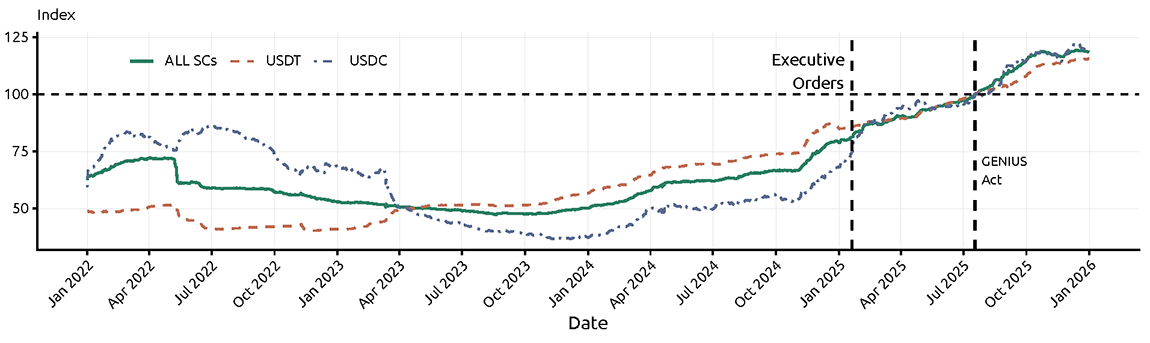
Source: Federal Reserve
However, the bill has also turned into a test of whether legislators can address the political issues surrounding cryptocurrency without impeding the sector's capacity for innovation.
For instance, limitations on the president and other federal officials' ability to sponsor or promote digital assets for profit while in office are part of the amended legislation. EtherWorld covered that development in CLARITY Act Just Added a Major Ban on Federal Officials.
Because cryptocurrency regulation is now being discussed as more than just a market issue, this shift is significant politically. These days, it is linked to issues of governmental credibility, consumer protection, banking competition, and conflicts of interest.
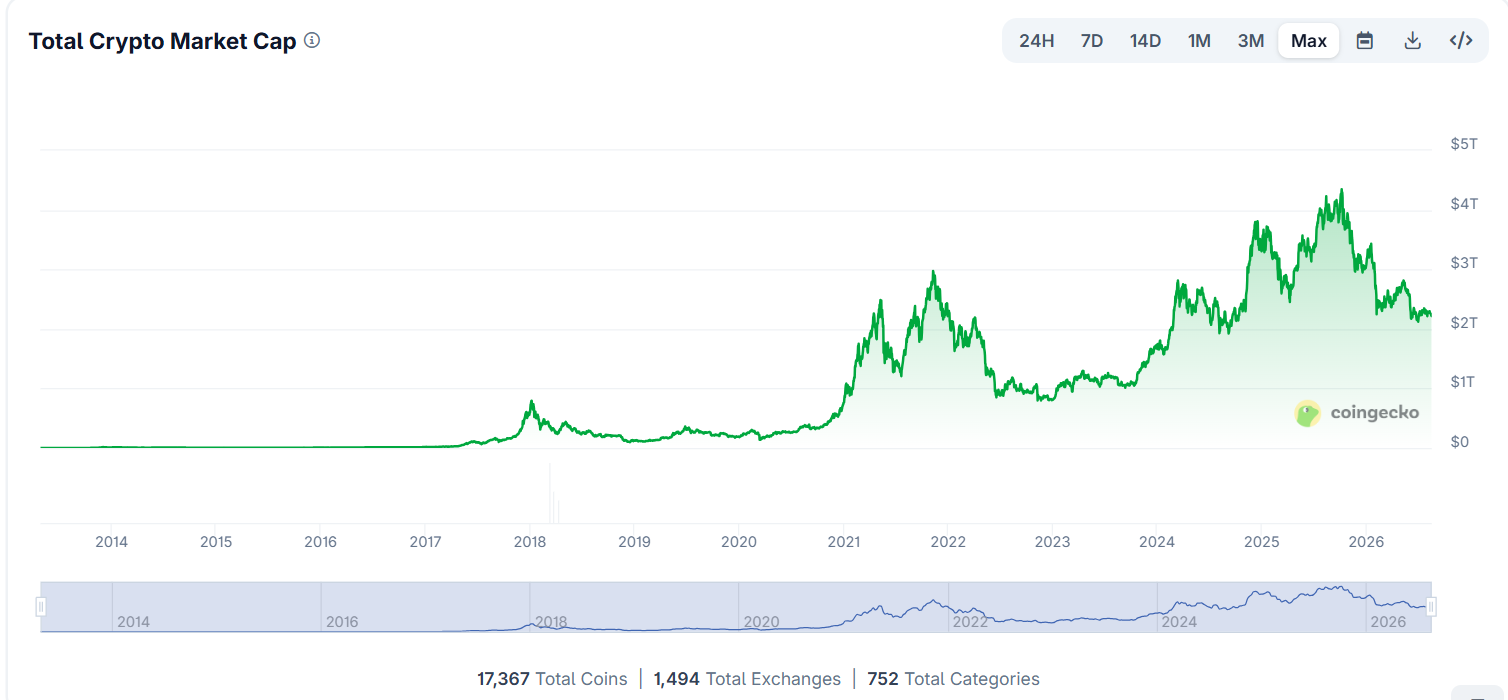
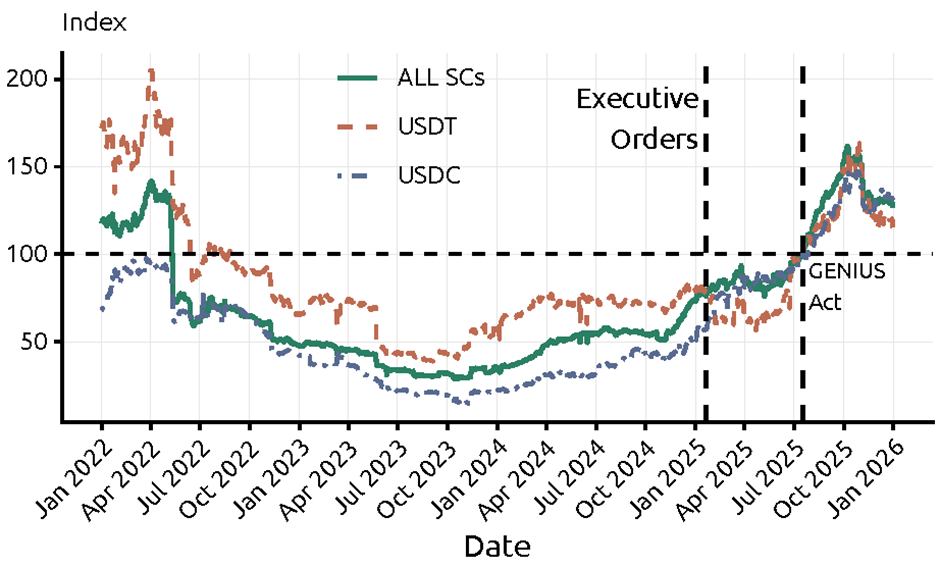
Another significant barrier is the stablecoin debate. The question of whether stablecoin rewards could drive deposits away from banks has been a point of contention between traditional banks and cryptocurrency firms. The latter contends that excessively stringent regulations could reduce American businesses' ability to compete internationally.
For this reason, the CLARITY Act is much more than just a technical law. In essence, it's a test of whether the US can create cryptocurrency regulations that satisfy Silicon Valley and Wall Street.
What This Means for Ethereum?
Because legislative clarity might have an impact on nearly every significant aspect of Ethereum's ecosystem, the company has a significant stake in this discussion.
One of the highest concentrations of DeFi activity and stablecoin liquidity in cryptocurrency may be found on Ethereum.
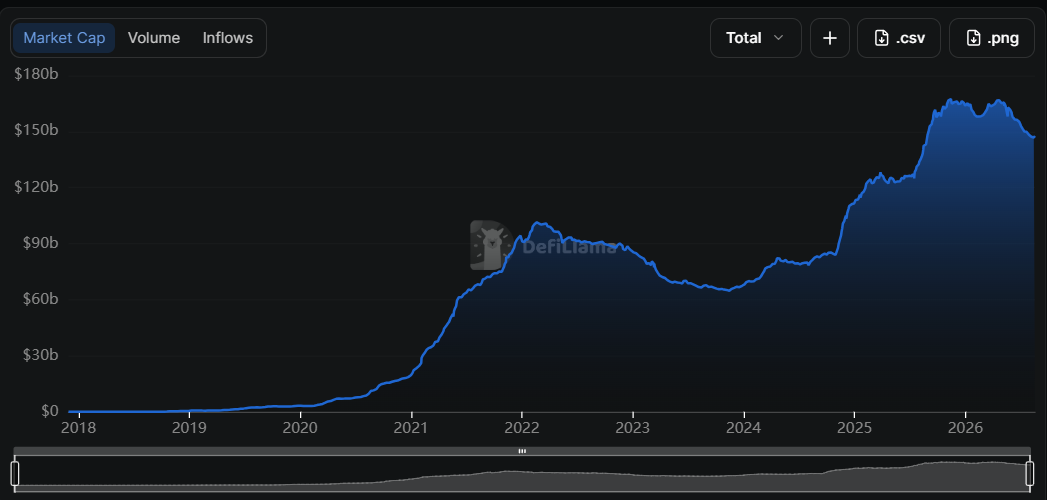
Ethereum's DeFi TVL is now estimated by DeFiLlama to be over $41 billion, while stablecoins on Ethereum are valued at about $149 billion.
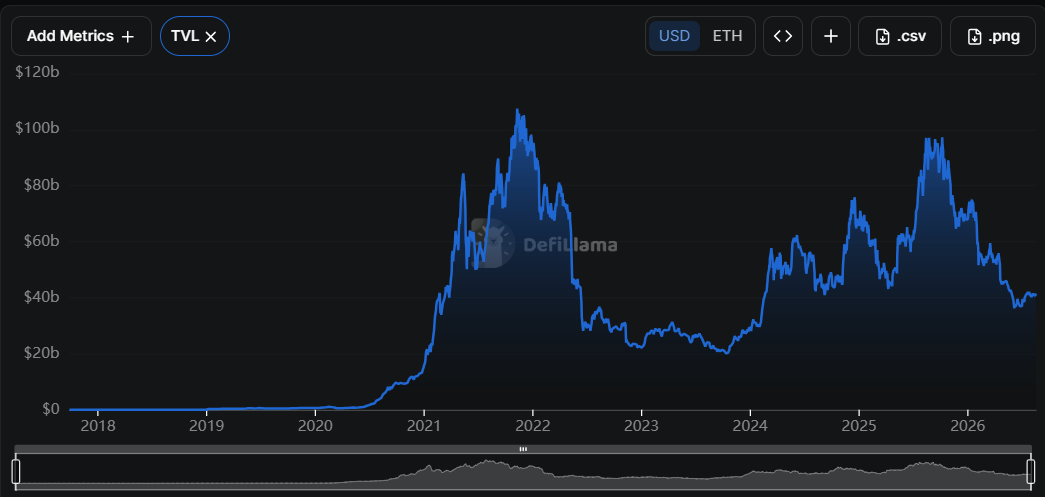
These figures clarify why Washington's regulatory policies have far-reaching implications.
Stablecoin issuers, DeFi applications, tokenised assets, staking companies, developers, and institutional investors are all susceptible to their influence. Businesses may find it easier to know what they can create, how to launch goods, and which regulator to deal with if there is a clearer line between securities and digital commodities.
For developers in particular, that is crucial.
The industry's claim that developers producing non-custodial, open-source software shouldn't be automatically classified like financial intermediaries is highlighted in EtherWorld's Crypto Leaders Urge Senate to Protect Developers in CLARITY Act.
That idea is really important to Ethereum. The network does not consist of a single business with a conventional corporate structure. Independent developers, protocols, and infrastructure providers have constructed a large portion of its ecosystem.
Therefore, Ethereum may benefit more from a regulation that offers clarity without unduly complicating open-source development than from another temporary governmental declaration.
Political Support vs Regulatory Clarity
Here's where I think the cryptocurrency sector needs to distinguish between political backing and real regulatory advancement.
One of the more accommodating aspects of Trump's economic plan includes cryptocurrency. Additionally, compared to the previous administration, his regulators have adopted a very different strategy, with the SEC pursuing more specialised regulations for digital assets.
That is significant. However, it is also fleeting.
The interpretation can be changed by a regulator. An agency chairperson may resign. A future president can pick officials with entirely different ideologies. Reversing congressional legislation is more difficult.
For this reason, the sector shouldn't gauge Trump's stance on cryptocurrency based on how many executives he meets or how passionately he discusses digital assets. Whether those conversations produce legislation that provides businesses with predictable regulations for the next ten years is a better indicator.
That optimism was far greater earlier in the year. Brad Garlinghouse, CEO of Ripple, projected an 80% likelihood of the CLARITY Act passing by April. That expectation was recorded in EtherWorld's article, Ripple CEO Sees 80% Chance CLARITY Act Passes by April 2026.
Months later, the bill remains unresolved, which speaks for itself.
Momentum in politics is helpful. What businesses can truly build upon is legal certainty.
What Happens Next
Now, the White House meeting must pass a simple test, i.e., Does the meeting result in any changes?
It might be a crucial step in saving the legislation if Trump uses the event to persuade senators to have a CLARITY vote in September. The administration has previously stated that it is still determined to pass the legislation through Congress.
However, regulators may increasingly attempt to fill the void on their own if Congress continues to be stalled. According to Reuters, the SEC and CFTC are already working on regulations that would offer some of the certainty the sector seeks.
That is not the same as a federal market-structure law, but it might be useful in the near run. And for that reason, Trump's meeting with leaders in the cryptocurrency space is crucial.
The U.S. cryptocurrency market doesn't need more indication that Washington is on board. To complete the task, Washington is required.
Source: Federal Reserve
The meeting can be considered a turning point if such a push is produced. The sector may eventually have to acknowledge that political backing and regulatory certainty are two completely different things if it results in another round of promises without legislation.
If you find any issues in this article or notice missing information, please feel free to reach out at team@etherworld.co for clarifications or updates.
To promote your Web3 articles, events, and projects, you may reach out anytime via EtherWorld PR for submissions and collaboration.
Related Articles
- Why Smaller Countries Are Embracing Crypto Faster?
- Crypto Fundamentals Outpacing Prices: Is the Market Missing Adoption?
- Crypto Payments Are Mainstream, but Who's Actually Paying?
- Best Crypto DEXes Every DeFi Trader Should Know
- Top 10 Indian Crypto Exchanges Every Investor Should Know
To follow blockchain news, track Ethereum protocol progress, and read our latest stories, subscribe to our weekly today.
Join the EtherWorld & Avarch Internship Program and build your career in blockchain, content, social media, video, podcast editing, or operations. Send your resume and brief introduction to contact@etherworld.co.
Disclaimer: The information contained in this website is for general informational purposes only. The content provided on this website, including articles, blog posts, opinions, & analysis related to blockchain technology & cryptocurrencies, is not intended as financial or investment advice. The website & its content should not be relied upon for making financial decisions. Read full disclaimer & privacy policy.
To stay updated on blockchain news, Ethereum protocol progress, and our latest stories, subscribe to our weekly digest and YouTube channel for ELI5 content.
To promote your Web3 articles, events, project updates, and Press Releases, reach out anytime via EtherWorld PR for submissions and collaboration. For other queries, email contact@etherworld.co.
If you’d like to support our work, share the content and consider donating at avarch.eth.
Join our community on Discord and follow us on Twitter, Facebook, LinkedIn & Instagram.

 ×
×

Author

Nidhi Kumari is a Web3 content writer at EtherWorld.co, tracking ecosystem developments, funding activity, and market trends shaping the crypto space.