Top 10 Indian Crypto Exchanges Every Investor Should Know
An in-depth analysis of the top 10 Indian crypto exchanges shaping the country’s digital asset ecosystem.

The current state of India's cryptocurrency ecosystem is paradoxical. Despite being one of the biggest retail adoption markets in the world, it lacks a clear legal framework. Indian investors now view cryptocurrency as a regulated-risk environment where platform selection is just as crucial as asset selection, rather than as a merely speculative asset class.
Crypto exchanges in India are strategic organisations, in contrast to other financial systems, where exchanges have standardised infrastructures. Each one reflects a distinct reaction to three pressures, i.e., international liquidity competitiveness, taxing friction, and regulatory ambiguity. Users' trading behaviour has already changed as a result of the 30% gain tax and 1% TDS, moving them away from frequent speculation and toward more deliberate engagement.
Simultaneously, the emergence of international exchanges has made wider liquidity pools available to Indian customers, necessitating the quick evolution of domestic platforms.
As a result, exchanges are no longer transferable in this market. Their approaches to custody, obtaining liquidity, compliance, and financial product design are fundamentally different. Therefore, matching with a certain risk architecture is more important when selecting an exchange than ease of use.
Analysing how cryptocurrency is developing in India, how regulators are reacting, and how exchanges are positioning themselves within this changing environment is necessary to comprehend this ecosystem.
- Crypto Evolution in India & Parliamentary Discourse
- The Ten Major Crypto Exchanges in India
- Structural Differentiation Across Exchanges
- Safety & Risk Framework
- Future Possibilities: Where the Indian Crypto Exchange Market Is Headed
Crypto Evolution in India & Parliamentary Discourse
The development of cryptocurrency in India has been influenced more by policy discussions than by technical constraints. The Reserve Bank of India issued early warnings about financial stability and money laundering in 2018, including updates to banking regulations. Even after the Supreme Court reversed these limitations in 2020, the regulatory environment remained cautious rather than encouraging.
The most significant change occurred in 2022 when cryptocurrency was subject to taxation, which essentially acknowledged its existence without giving it full legal standing. Since then, risk management has become more of a topic of discussion in the Indian Parliament than prohibition.
Policymakers have frequently stressed that cryptocurrency assets are borderless and require international collaboration for successful regulation, according to press releases from the Press Information Bureau. This is an important realisation that clarifies why India has advocated for cooperation through international forums like the G20 rather than enacting a stand-alone law.
According to a PIB note on cryptocurrency talks during India's G20 presidency, the government aimed to broaden the discussion to include macroeconomic stability and systemic implications in addition to financial crime. This suggests that cryptocurrency is now seen as a potential impact on national financial systems rather than just as a speculative asset.
The government is strongly keeping an eye on the industry, as seen by enforcement proceedings under legislation like the Prevention of Money Laundering Act (PMLA), with hundreds of crores connected to investigations pertaining to cryptocurrency.
Further evidence of a move toward organised regulation can be found in recent legislative changes. Raghav Chadha's Asset Tokenisation Bill, 2026, which offers a framework for tokenising actual assets, is a prominent example. This indicates India's shift from merely taxing cryptocurrency to swiftly influencing its inclusion into formal financial institutions.
Therefore, neither acceptance nor rejection is the current position. During this phase of controlled observation, enforcement guarantees compliance, taxes guarantee traceability, and policy changes to reflect worldwide advancements. Exchanges in India are forced to choose between internationally integrated alternatives and compliance-heavy arrangements as a result of this ambiguity.
The Ten Major Crypto Exchanges in India
It is better to think of India's cryptocurrency exchange ecosystem as a competitive landscape of strategic architectures rather than just a list of platforms. Every exchange is built on a particular basic logic, be it global market access, compliance, liquidity aggregation, or financial product innovation. These platforms stand out not only for what they provide but also for how they manage India's capital limits and regulatory uncertainties.
The ten exchanges listed below, each of which reflects a distinct balance between control, accessibility, and risk, are the most significant forces influencing how Indian people engage with digital assets.
1. CoinDCX
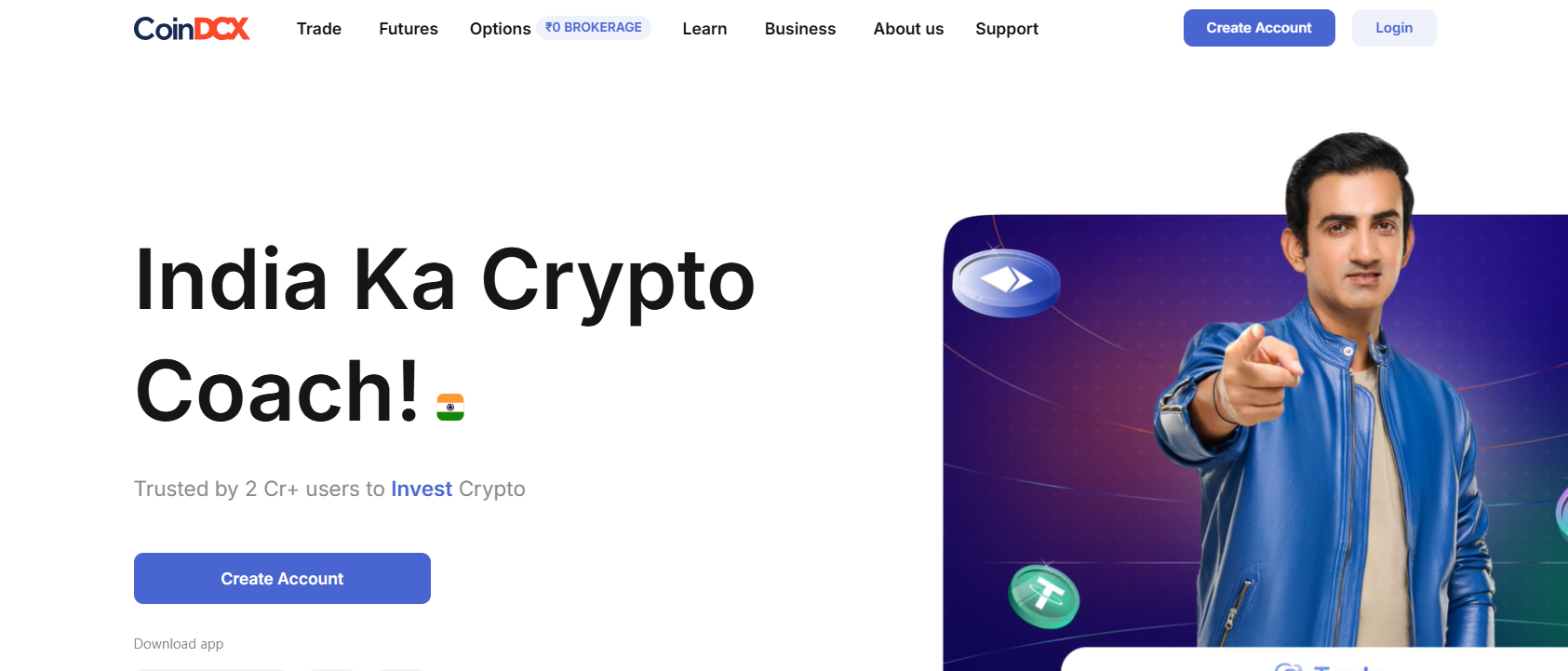
Within India's FIU-IND framework, CoinDCX is a compliance-first architecture that incorporates transaction monitoring, tax recording, and AML reporting into its operational design.
Its infrastructure is in line with institutional requirements and is reinforced by ISO/IEC 27001:2022 compliance, which reflects a formalized approach to risk management and information security. Its Crypto Investor Protection Fund (CIPF), which strengthens user safety in addition to transparency initiatives like monthly reserve reports, is a crucial differentiation.
Source: CoinDCX
Through the Digital Suraksha Network, a ₹100 crore commitment to building cyber safety infrastructure for India’s digital finance ecosystem, is a cooperative effort to address cyber threats throughout India's cryptocurrency ecosystem, CoinDCX recently strengthened its security posture. This is in line with more general industry conversations on safe digital infrastructure, emphasizing CoinDCX's contribution to compliance-led innovation as opposed to just complying with regulations.
I want to address what happened to Neeraj and me last week. Of course, it was quite shocking to us as well and honestly very disheartening. But today, we want to talk about what actually happened and more importantly, what we’re going to do about it.
On March 21, we were taken… pic.twitter.com/7uNEu0T3H3— Sumit Gupta (CoinDCX) (@smtgpt) March 30, 2026
2. WazirX
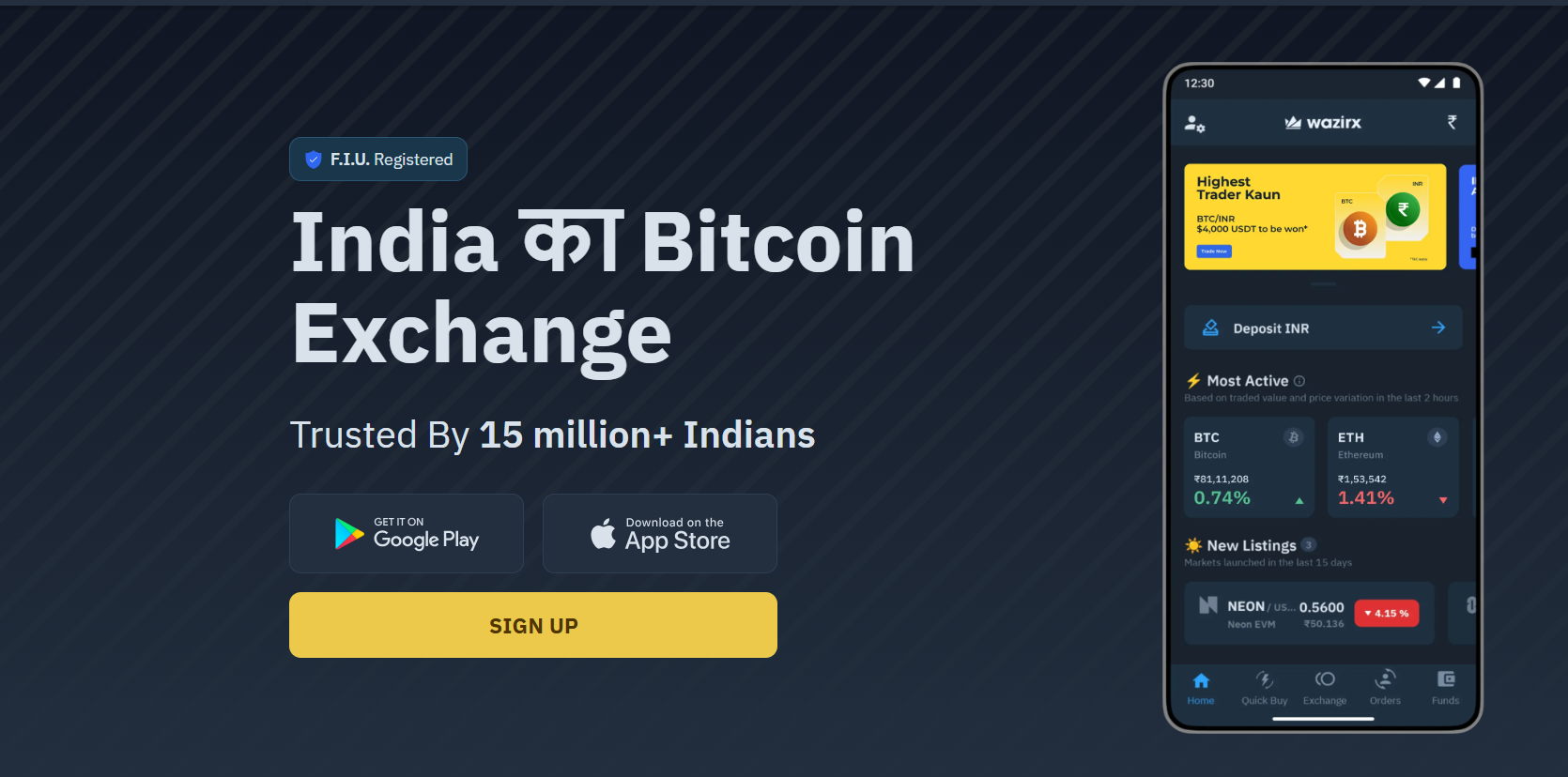
Within India's FIU-IND framework, WazirX represents a "compliance-after-scale" evolution where regulatory alignment strengthened after enforcement scrutiny under the Prevention of Money Laundering Act. Although it now complies with KYC requirements, AML reporting, and transaction traceability, its trajectory emphasizes the dangers of quick growth without concurrent compliance infrastructure. Although its resiliency was put to the test during the July 2024 cyberattack, its significant INR liquidity continues to facilitate retail onboarding.
After that, WazirX carried out a court-approved restructuring, resumed operations with zero trading fees, and disbursed around 85% of user funds under a recovery plan in 2026, indicating a strategic shift toward regaining credibility and confidence in compliance.
Source: [WazirX]:(https://wazirx.com/)
3. CoinSwitch
As a FIU-IND recognized compliance-layered aggregator, CoinSwitch routes transactions across several liquidity providers while integrating KYC, AML reporting, and transaction traceability into the user interface.
Due to this architecture, CoinSwitch is positioned as a "compliance-first access layer" rather than a typical exchange, giving regulatory alignment and accessibility precedence over direct market control. Liquidity aggregation, which allows for competitive pricing without exposing customers to complicated order books, is its primary distinction. CoinSwitch just entered the advanced trading space with INR-powered crypto futures, lowering the barrier to participation in derivatives, and its 2025–2026 investor reports show that Indian traders are becoming more sophisticated and strategy-driven.

Source:CoinSwitch
4. ZebPay
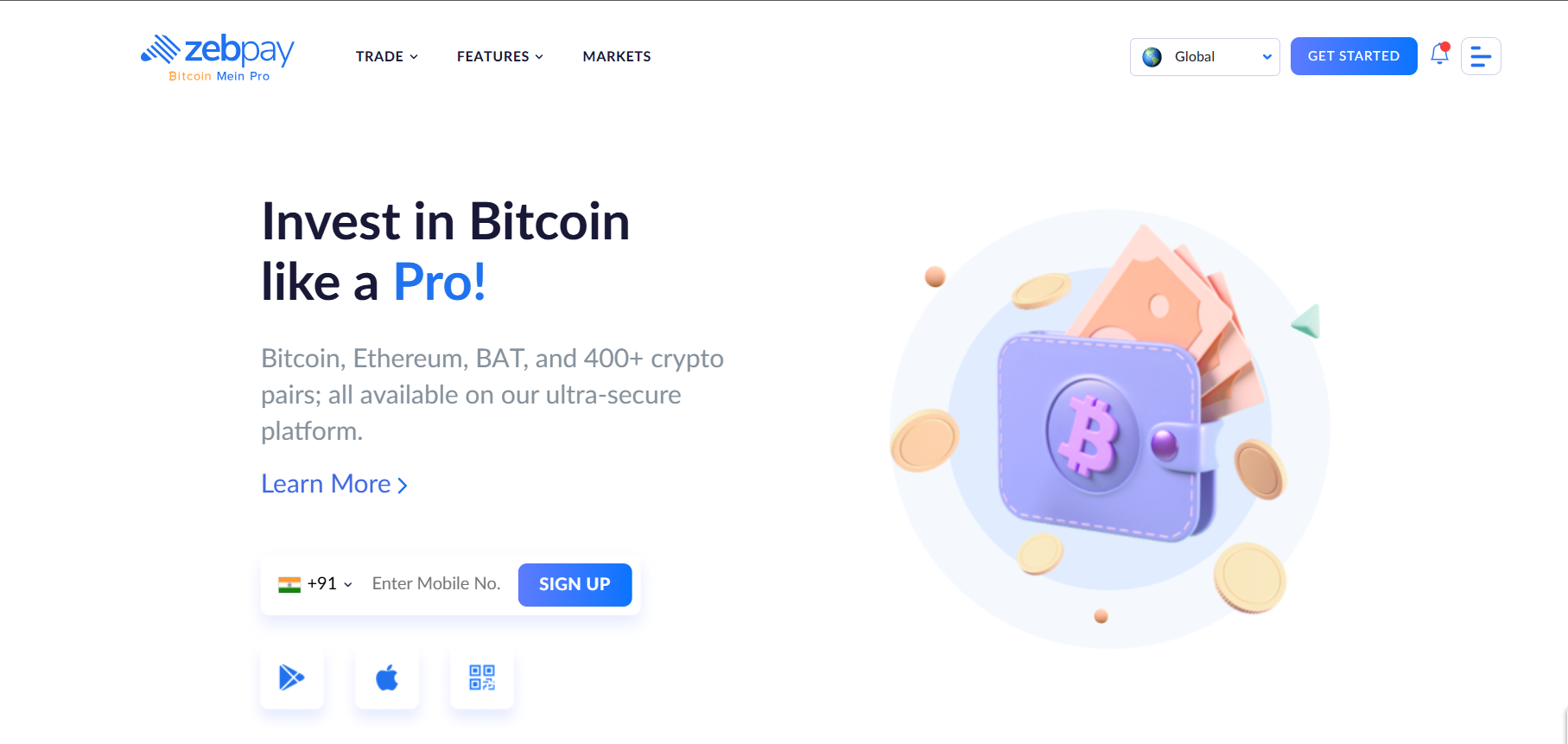
ZebPay is an example of a conservative FIU-IND registered exchange model where risk minimization and compliance are closely linked. It lowers exposure to high-risk tokens by incorporating stringent KYC, AML reporting, and transaction monitoring into a framework for controlled asset listing.
Its architecture prioritizes capital preservation above quick expansion, reflecting a "security-first compliance" strategy. Its strong emphasis on cold storage custody, which guarantees that most user assets stay offline, is a crucial distinction.
With tools like CryptoPacks (curated portfolios) and a persistent emphasis on disciplined investment, ZebPay has strengthened its long-term investor positioning. As a result, ZebPay is positioned in India's compliance-driven cryptocurrency market as a stable exchange.
Source: ZebPay
5. Giottus
Giottus is a FIU-IND regulated exchange with a compliance-first architecture that integrates transaction traceability, AML reporting, and KYC throughout its trading ecosystem. It presents itself as a regulated, INR-focused platform that lowers deposit and withdrawal friction through robust banking connectivity.
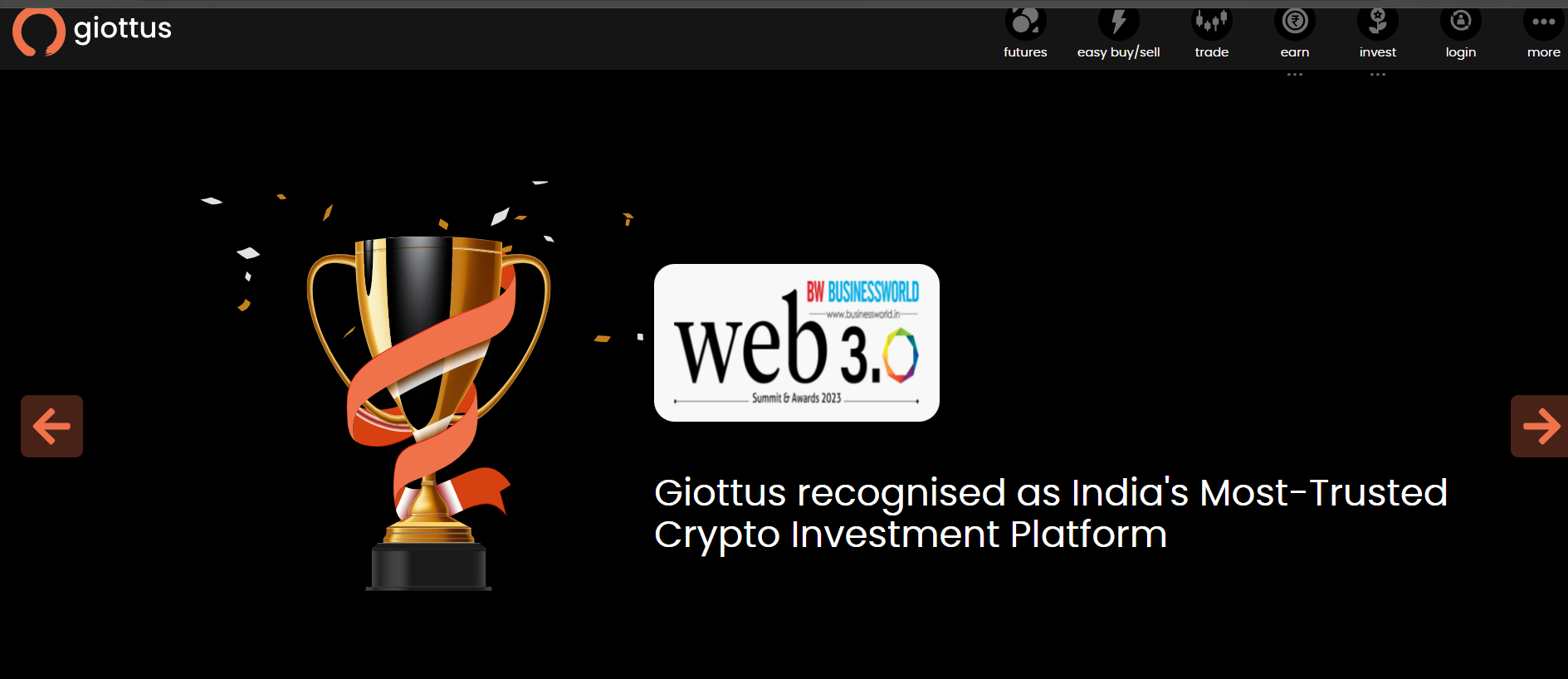
A high-liquidity INR order book and accessibility to regional languages are its main differentiators, increasing popularity outside of urban users. The platform's Businessworld Fintech Award 2025 accreditation and the Global Financial Market Review's 2025 Best Crypto Exchange award both serve to bolster its legitimacy. Its collaboration with BitGo for cold wallet storage further fortifies its institutional-grade security infrastructure, establishing it as a reliable, compliance-aligned exchange in India's developing cryptocurrency sector.
Source: Goittus
6. BuyUcoin
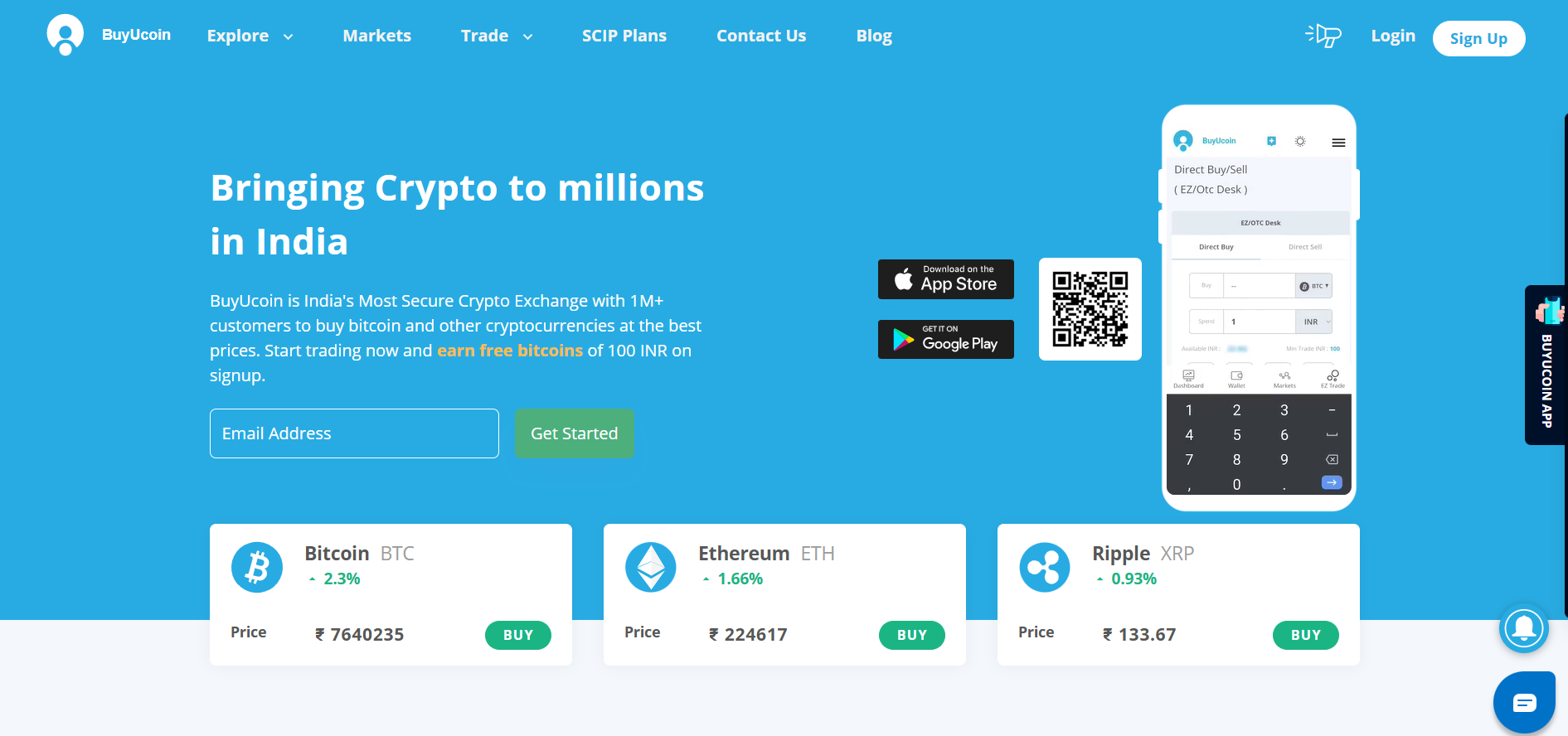
BuyUcoin functions as a digital asset marketplace registered with FIU-IND, integrating tax-aligned reporting, AML monitoring, and KYC into its fundamental infrastructure. For Indian customers looking for regulated exposure to a variety of cryptocurrency assets, it markets itself as a compliance-driven access layer. The merger of crypto SIP and OTC desk services, which facilitates both systematic retail investing and high-volume institutional trading, is its primary distinction.
Since its founding in 2016, the platform has grown steadily inside a regulated environment, processing over $800 million in digital currency trades, supporting over 130 INR and USDT pairs, and serving over a million registered users. In India's developing cryptocurrency landscape, this establishes BuyUcoin as an organized, compliance-aligned exchange.
Source: BuyUcoin
7. KoinBX
As a FIU-IND regulated exchange, KoinBX integrates AML, KYC, and transaction monitoring into a high-performance trading platform. It presents itself as a compliance-aligned platform that strikes a balance between advanced trading capabilities and regulatory conformance. Its fast matching engine and sophisticated charting tools, which serve both professional and retail traders, are its main differentiators.
Beyond spot trading, the platform offers earning and staking features. With more than 1.5 million users, more than 450 active trading pairs, more than 300 listed cryptocurrencies, and more than $38 billion in traded volume, KoinBX is positioned as an emergent full-stack exchange in India's developing cryptocurrency ecosystem and demonstrates rapid expansion within a regulated framework.

Source: KoinBX
8. Mudrex
Mudrex functions as a compliance-first, FIU-IND-registered platform that expands regulatory alignment into structured investment in addition to transactions. It presents itself as a "regulated crypto asset management layer" as opposed to a straight trading exchange and incorporates KYC, AML reporting, and tax tracking.
Coin Sets, a curated theme-based portfolios with auto-rebalancing allows for diversified exposure without active trading, are its primary distinction. Additionally, the platform facilitates INR-based futures trading, which lowers the barrier to entry for Indian consumers.
Using ISO/IEC 27001:2022 and SOC 2 Type II standards, Mudrex has recently improved its compliance and security posture, indicating institutional-grade infrastructure and supporting India's move toward regulated, strategy-driven cryptocurrency involvement.

Source:Mudrex
9. Bitbns
As a FIU-IND aligned platform, Bitbns incorporates strict bank-linked verification, KYC, and AML reporting into its transaction structure, thereby integrating compliance at the operational level. Bitdroplet (SIP-based investing), which facilitates methodical cryptocurrency acquisition, is its primary distinction. Strong compliance measures are enforced by the platform, such as requiring bank verification for withdrawals. Official updates mention wallet improvements and withdrawal delays during system changes, indicating that its infrastructure has been under strain. This demonstrates the disparity between operational dependability and regulatory compliance in India's cryptocurrency ecosystem.

Source: Bitbns
10. Unocoin
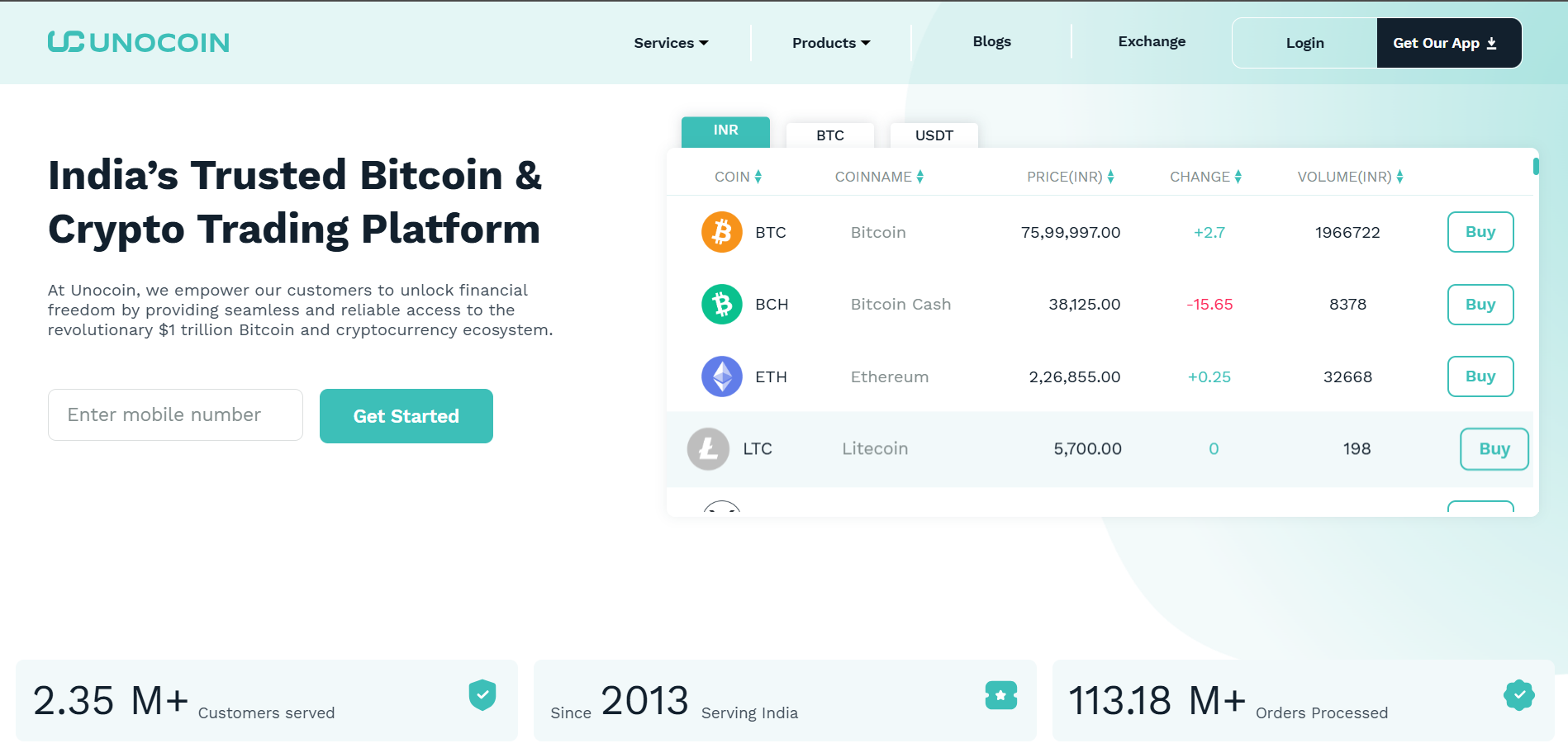
Built on a simplified Bitcoin-only architecture, Unocoin functions as a FIU-IND registered compliance-focused platform that integrates transaction traceability, AML reporting, and KYC within a limited-asset framework. This simplifies regulations and is consistent with India's cautious attitude to cryptocurrency.
The Bitcoin Systematic Buying Plan (SBP/SIP), which enables controlled long-term accumulation, is its primary distinction.
Since its founding in 2013, Unocoin has handled over 113 million orders and served 2.35 million clients, demonstrating consistent acceptance within a targeted approach. In order to expand the use of Bitcoin beyond trading, the platform also facilitates merchant payment integration. As a result, Unocoin is positioned within India's developing cryptocurrency ecosystem as a gateway that is compliance-aligned and driven by stability.
Source: Unocoin
Structural Differentiation Across Exchanges
1. Liquidity & Market Efficiency
The invisible foundation of any exchange is liquidity, which determines the effectiveness of trade execution. Localised liquidity pools, which are by nature smaller and more susceptible to market swings, are the main source of funding for Indian domestic exchanges. Wider bid-ask spreads and increased slippage during big trades are frequently the outcome of this.
On the other hand, extensive, multi-jurisdictional liquidity networks enable near-instant execution and tighter spreads on international exchanges like Binance and KuCoin. This distinction has a real influence on profitability, particularly for high-volume traders, and is not just technical. By pooling liquidity, platforms like CoinSwitch try to close this gap, but doing so comes at the expense of less control and transparency.
2. Custody and Ownership Structure
When determining who actually holds cryptocurrency assets, custody is the key aspect. The majority of Indian exchanges adopt a centralised custodial approach in which users' private keys are held by the platform. Because users rely on the exchange's security and operational integrity, this streamlines onboarding but increases counterparty risk.
While CoinDCX uses institutional custody mechanisms, ZebPay uses substantial cold storage allocation to mitigate this. The basic problem, though, is still that users do not have direct ownership. Global exchanges support the decentralised nature of cryptocurrency by providing more freedom for withdrawals and integrating with self-custody wallets, but they also demand greater user accountability.
3. Product Architecture & Financialisation
The development of Indian exchanges is indicative of a larger trend toward the stacking of financial products. Staking methods, yield products, and algorithmic portfolios are examples of structured offers that are either replacing or augmenting traditional trading interfaces.
This shift from a trading activity to an investment product is demonstrated by platforms like Mudrex and Bitbns. The tendency of Indian investors to choose structured and predictable returns is consistent with this. But it also adds further levels of risk because returns are now reliant on platform execution and strategy design in addition to market success.
Safety & Risk Framework
Crypto exchange safety is a multi-layered risk system that involves technology, legislation, and operational integrity rather than being a static element.
Technically, exchanges use encryption protocols, multi-signature wallets, and cold storage as security precautions. But only external risks are addressed by these methods. As demonstrated by several international incidents, internal vulnerabilities, operational errors, and governance failings continue to be serious dangers.
In India, regulatory risk is very significant. Exchanges function under conditional legitimacy, subject to changing compliance requirements, because there is no comprehensive legal framework. Although taxes guarantee traceability, they also cause friction, which may lead users to choose less transparent options.
Perhaps the most basic is custody risk. Users are effectively exposed to the solvency and security of the platform when assets are kept on an exchange. Although self-custody removes this danger, a human mistake is introduced. Irreversible loss might occur via mismanaging wallets or losing private keys.
Lastly, systemic risk exists. Indian policymakers have frequently voiced concerns about the potential effects of broad cryptocurrency adoption on financial stability. For this reason, the government has opted to keep a regulated and closely watched environment rather than fully incorporate cryptocurrency into the official financial system.
Future Possibilities: Where the Indian Crypto Exchange Market Is Headed
The future of cryptocurrency exchanges in India will probably be influenced by the convergence of financial behaviour, technology, and regulation.
The development of a formal regulatory framework in line with international norms is one potential course. Given India's focus on international cooperation, any future legislation is probably going to be shaped more by IMF suggestions and G20 consensus than by unilateral policy choices.
The development of hybrid exchange structures, which combine decentralised custody choices with centralised compliance, is another trend. This would enable consumers to take advantage of centralised platforms' ease of use and liquidity while maintaining ownership over assets.
A third potential is the further financialization of cryptocurrencies, where exchanges develop into comprehensive digital asset platforms that provide portfolio management, lending, and structured products. As a result, cryptocurrency would become more accessible to a wider range of Indian investors and more closely aligned with conventional finance.
Lastly, the National Blockchain Framework and other efforts show how blockchain is being incorporated into government infrastructure, indicating that although cryptocurrency is still controversial, the underlying technology is being aggressively adopted.
Exchanges will play a bigger role than just trading platforms in this changing environment. They will develop into innovation centres, financial intermediaries, and compliance gateways that will influence India's involvement in the global digital asset market.
If you find any issues in this article or notice missing information, please feel free to reach out at team@etherworld.co for clarifications or updates.
To promote your Web3 articles, events, and projects, you may reach out anytime via EtherWorld PR for submissions and collaboration.
Related Articles
- Indian MP Flags Crypto Talent Drain Amid Heavy Taxation
- India Intensifies Crackdown on Rising Crypto Scams
- India Plans “Virtual Asset Lab” to Track Offshore Crypto Exchanges
- Indian Traders Get 24*7 U.S. Stock Futures on CoinDCX
- Indian MP Raghav Chadha Pushes Crypto & Blockchain Reforms
To follow blockchain news, track Ethereum protocol progress, and read our latest stories, subscribe to our weekly today.
Disclaimer: The information contained in this website is for general informational purposes only. The content provided on this website, including articles, blog posts, opinions, & analysis related to blockchain technology & cryptocurrencies, is not intended as financial or investment advice. The website & its content should not be relied upon for making financial decisions. Read full disclaimer & privacy policy.
To stay updated on blockchain news, Ethereum protocol progress, and our latest stories, subscribe to our weekly digest and YouTube channel for ELI5 content.
To promote your Web3 articles, events, project updates, and Press Releases, reach out anytime via EtherWorld PR for submissions and collaboration. For other queries, email contact@etherworld.co.
If you’d like to support our work, share the content and consider donating at avarch.eth.
Join our community on Discord and follow us on Twitter, Facebook, LinkedIn & Instagram.

 ×
×

Author

Nidhi Kumari is a Web3 content writer at EtherWorld.co, tracking ecosystem developments, funding activity, and market trends shaping the crypto space.